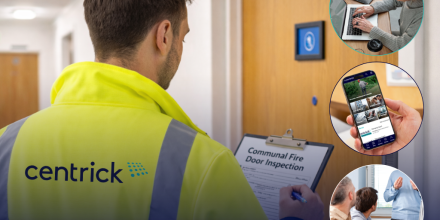
Becoming a director of a Residents’ Management Company (RMC) often happens with little formal training. Many leaseholders take on the role simply because they care about their building and community, and want to make sure it is well run and properly maintained. In many cases, RMC directors are volunteers who are balancing the responsibility alongside their own jobs and personal commitments.
However, managing a residential building or development today involves far more regulation and compliance than many directors realistically have time to keep on top of. From evolving safety legislation to the maintenance of critical building assets, there are several areas that can easily become “compliance blind spots” if you’re not familiar with the responsibilities involved.
Below are four of the most common compliance areas that RMC directors should understand.
1. Statutory Assets
The Things You Don’t See
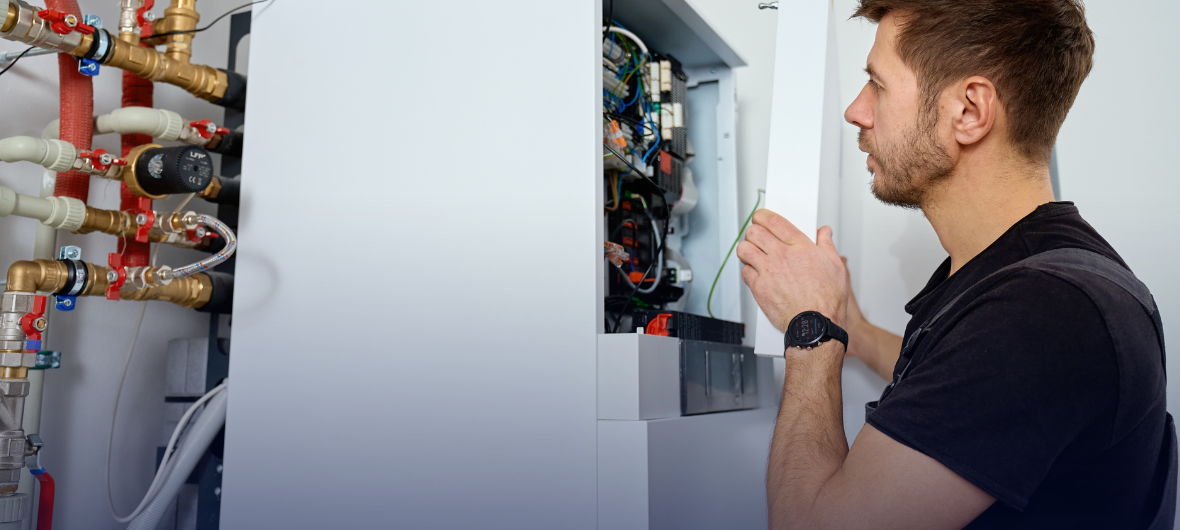
Many of the most important elements of a building are the ones residents rarely notice. Behind the scenes, there are numerous statutory assets that must be regularly serviced, inspected and maintained.
These can include:
- Fire alarm systems
- Smoke ventilation systems
- Emergency lighting
- Fire doors
- Lifts
- Dry risers
- Lightning protection systems
- Boiler & pump plant
These assets are not simply “good practice” to maintain – many are legally required to be inspected and serviced at specific intervals.
For RMC directors, the challenge is often visibility. Without proper management systems in place, it can be difficult to know:
- What assets exist within the building
- When they were last serviced
- Whether they meet current regulations
A professional managing agent will typically maintain asset registers, ensure building compliance with the requisite inspections and servicing at the correct intervals and records to ensure nothing is missed.

2. The Building Safety Act
What’s Changed?
The Building Safety Act has significantly reshaped the regulatory landscape for residential buildings, particularly those over 11 metres in height (measured to the top floor slab) or five storeys.
While much of the public attention has focused on higher-risk buildings, the Act has driven a wider cultural shift across the sector towards accountability, transparency and proactive safety management.
For RMC directors, this has meant:
- Increased expectations around record keeping and safety information
- Clearer responsibilities for those managing buildings
- More structured engagement with residents on safety matters
- Greater scrutiny from regulators
Even where a building doesn’t fall within the most stringent parts of the legislation, its principles are influencing best practice across the industry. Understanding how the Act applies to your building – and ensuring the right processes are in place – is becoming increasingly important.
3. Fire Safety Regulations
Why Certain Processes Exist
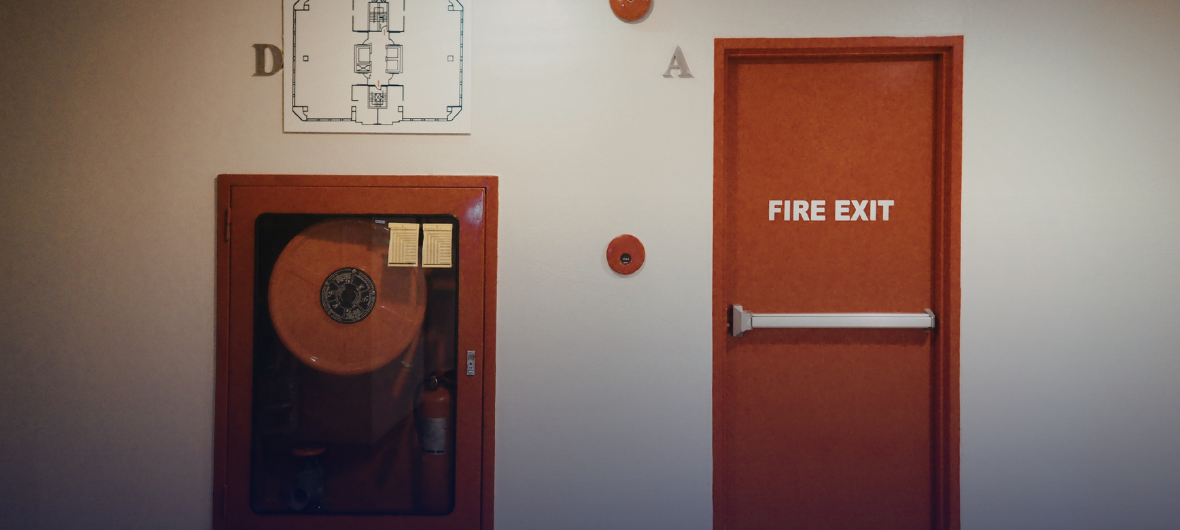
Fire safety is one of the most visible areas of compliance for residential buildings. Residents will often see activities such as:
- Fire risk assessments
- Fire door inspections
- Alarm testing
- Emergency lighting checks
- Evacuation strategies & planning
However, these requirements are not arbitrary. They stem from a combination of legislation, including fire safety regulations and guidance designed to protect residents.
For RMC directors, the key point is that these processes are not optional. They are required to demonstrate that the building is being managed safely and responsibly.
Failing to carry out appropriate fire safety measures can expose the RMC to:
- Enforcement action
- Legal liability
- Insurance complications
- Increased safety risks for residents
This is why managing agents often follow structured inspection and testing programmes throughout the year.

4. The Network of Regulatory Authorities
Many RMC directors are surprised by the number of external authorities involved in residential building compliance.
A managing agent may regularly interact with organisations such as:
- The Fire and Rescue Service
- Environmental Health departments
- Local authorities
- The Building Safety Regulator
- Specialist safety consultants
These interactions can include inspections, safety advice, compliance checks and reporting requirements.
For directors, having a managing agent who understands how to navigate these relationships and regulatory expectations can be invaluable.
The Responsibilities of Being an RMC Director
Serving as an RMC director is an important role which comes with legal responsibilities.
Directors have a duty to act in the best interests of the company and its members, and this includes ensuring that the building is managed in line with relevant laws and regulations. Without proper support and expertise, it can be difficult for volunteer directors to keep track of an increasingly complex regulatory environment.
This is why many RMCs rely on professional managing agents to help ensure that compliance obligations are met and that the building is managed safely and effectively.
Residential building management has evolved significantly in recent years. With increased regulation and greater expectations around safety, compliance is no longer something that can happen quietly in the background.
If you would like to learn more about how Centrick can support you as an RMC Director to stay compliant, and manage your building/development efficiently, visit our RMC Page or enquire today via the form below.