Fire doors are a critical component of a building’s passive fire protection strategy. When properly maintained, they help contain fire and smoke, protect escape routes, and ultimately save lives.
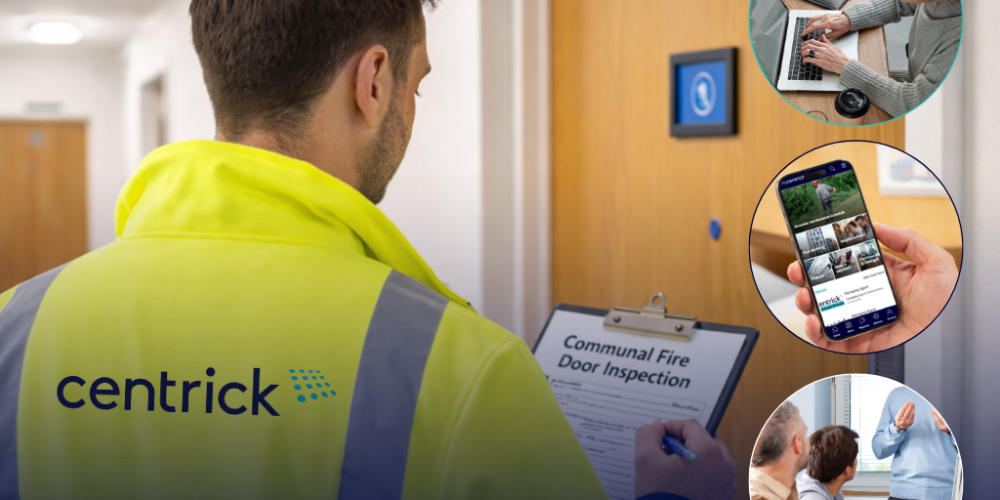
One of the ways we ensure consistently high standards is through our quarterly fire door inspections, carried out by our dedicated in-house roving inspection team. Unlike many organisations that outsource this work, Centrick has invested in its own specialist inspectors. This approach allows us to maintain quality, consistency, and oversight across all the buildings we manage, ensuring inspections are performed regularly and to the highest professional standards.
Keeping this expertise in-house also enables us to stay agile and responsive, adapting quickly to new regulations, emerging industry guidance, and the ever-evolving expectations around building safety. Our inspectors are not only skilled but also deeply familiar with the buildings they service, meaning issues can be identified and addressed swiftly.
In 2025 alone, our dedicated team carried out inspections on a remarkable total of 29,432 communal fire doors across our managed properties. To put this in perspective, that’s an average of over 80 doors inspected every single day. This monumental effort reflects our ongoing commitment to safety, compliance, and the well-being of all residents, demonstrating that thorough, proactive fire safety management is at the heart of everything we do.

Preparation: Setting the Inspection Up for Success
Every inspection begins well before our team arrives on site. Preparation is a crucial part of ensuring the process is efficient and thorough.
Our inspectors begin by reviewing previous inspection reports and any relevant fire safety documentation. This helps them understand the building’s history and identify any issues that may require particular attention.
If an inspector is new to a building, they will review layout plans or speak with the previous inspector to confirm the number of doors and their locations. Accuracy here is essential to ensure every communal fire door is accounted for during the inspection.
Because our work focuses on communal fire doors, we notify the Property Manager, Building Manager, and any on-site teams in advance. This helps ensure access arrangements are in place, including confirming that keys are available and access codes are up to date, allowing our inspectors to carry out their work smoothly.
The Inspection: What Our Team Looks For
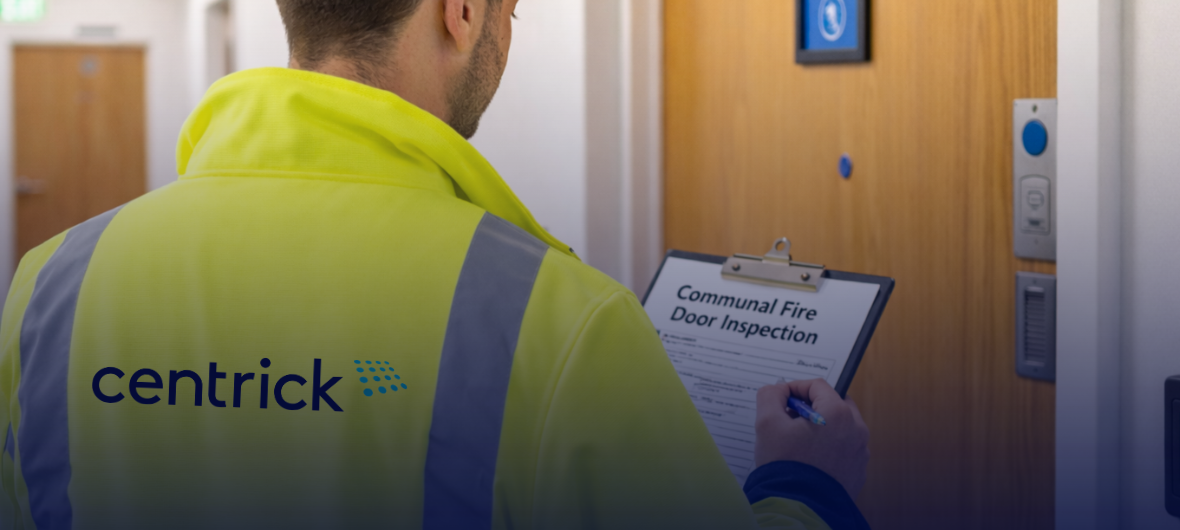
During the inspection, our team examines each door in detail, focusing on several key components that ensure the door performs correctly in the event of a fire.
Door Leaf
The main door panel is checked for signs of damage such as dents, cracks, or warping. Inspectors also verify that fire rating labels and asset tags are present and clearly visible.
Door Frame
The frame plays a critical role in maintaining the door’s integrity. Our inspectors check that the frame is securely attached to the wall, while also identifying issues such as missing screws or excessive gaps.
Seals
Fire and smoke seals are essential to preventing the spread of smoke and flames. We ensure seals are properly installed, intact, and free from paint or damage that could affect their performance.
Hardware
Hinges, locks, and handles are carefully inspected to ensure they are secure and fully operational. This is the area where we most frequently identify issues, often related to routine maintenance.
Glazing
Where fire doors contain glazed panels, our inspectors check the condition of the glass, the glazing seals, and any fire rating stamps to confirm compliance.
Functional Testing
Finally, each door undergoes function testing. Our inspectors confirm that doors close fully, particularly those with self-closing devices, and test emergency hardware such as push bars, which are commonly found on external doors and must work reliably in an emergency.

After the Inspection: Reporting and Next Steps
Once the inspection is complete, our team compiles a detailed report which is uploaded to our system.
To maintain quality and consistency, all reports are reviewed by our Inspections Manager. Following this, our Building Safety and B&EM teams assess the findings and provide guidance on the next steps. This may include:
- Remedial works through routine maintenance
- Further investigation or specialist repair
- Referral to the original developer, where applicable
A key part of the process is robust record-keeping. Maintaining a clear audit trail of inspection reports, inspection dates, and completed actions is essential for demonstrating compliance and ensuring buildings remain safe over time.

Training and Industry Awareness
Fire safety guidance continues to evolve, and staying ahead of changes is essential. Our inspectors undertake regular Continuing Professional Development (CPD) to ensure they remain up to date with the latest best practices and regulatory developments.
This commitment to learning allows our team to continually refine our processes and maintain the high standards our clients expect.
Could we help you ensure your buildings stay up to date with fire safety requirements? Make an enquiry via the form below. If you would like to learn more about our Building Safety & Compliance services, visit our webpage HERE.