Every March, Cannes becomes a mirror for the property industry. The panels, fringe events and corridor conversations at MIPIM have a way of surfacing what the sector is genuinely grappling with. Not the polished talking points, but the real questions about capital, delivery and the future of how we build and manage places.
This year’s agenda is clear. Four themes are leading the debate, and they mirror the priorities we’re focused on at Centrick.
What we’re looking out for at MIPIM 2026
Housing supply isn’t going away, and neither is the pressure to solve it
MIPIM 2026 kicks off with its Housing Matters! programme, and there’s a reason it’s been given prime billing. The UK’s housing challenge is acute, but it isn’t unique. What makes it a compelling case study on an international stage is the combination of structural undersupply, planning complexity and a private rented sector under significant political and regulatory pressure.
The conversations worth watching will be about delivery models: what’s actually getting built, who’s funding it, and what role institutional capital is playing in bridging the gap between ambition and output. Build to Rent, affordable housing partnerships and planning reform are all live debates.
At Centrick, we operate right across the residential spectrum, from Build to Rent management and Building & Estate Management through to PRS Portfolio Asset Management, so these aren’t abstract policy questions for us. We see the downstream effect of housing undersupply in demand patterns, in tenant competition, and in the pressure on landlords to make difficult decisions about their portfolios. The structural issues being debated in Cannes are the same ones shaping the conversations we’re having with clients and partners every week.
Where is investment conviction actually sitting?
The past two years have tested investor patience. Interest rate volatility, geopolitical uncertainty and shifting occupier demand have all disrupted capital flows in ways that would have seemed unlikely even in 2022. At MIPIM 2026, the question isn’t just where the money is. It’s where genuine conviction has returned, and where investors are still waiting for conditions to stabilise before committing.
The living sectors continue to attract serious attention. Residential, co-living, later living and student accommodation are all benefiting from the same fundamental dynamic: demand is structural and sustained, even when broader sentiment is cautious. That’s a different conversation from speculative commercial development, and one that reflects a broader shift in how institutional investors are thinking about real estate as an asset class.
This is a space Centrick knows well. We work with investors at various stages of the asset lifecycle, from acquisition support and due diligence through to operational management and resident experience, and the appetite we’re seeing from our institutional clients reflects what the MIPIM data is likely to confirm: the living sectors remain a conviction trade, even in an uncertain macro environment.
AI: the industry is moving from ‘should we?’ to ‘how, exactly?’
MIPIM 2026 is putting artificial intelligence front and centre in a way previous years haven’t, with dedicated summits on AI disruption and the infrastructure required to support it signal that this has moved from a fringe topic to a mainstream one.
The more interesting shift, though, is in the nature of the question. A couple of years ago, the industry was debating whether AI was relevant to real estate at all. That debate is largely over. The question now is operational: how do you actually use these tools to run buildings more efficiently, communicate with residents more effectively and make better decisions with the data you already have?
At Centrick, we’ve been actively exploring how AI can enhance the way we work. Our focus is on supporting our property management teams in practical, meaningful ways; from streamlining maintenance triage and improving communication with residents, to unlocking deeper insights from our portfolio data.
Sustainability: from headline commitments to practical problem-solving
Net zero targets don’t move because market conditions are difficult. But the way the industry talks about sustainability has shifted noticeably, and MIPIM 2026’s programming reflects that. The emphasis this year is on practical delivery rather than ambitious pledges.
But, how do you retrofit at scale in occupied buildings? How do you fund the capital expenditure required when yield compression is a real concern? How do you balance regulatory compliance with commercial viability? These are the questions that will actually determine whether the industry makes meaningful progress.
These are questions we’re working through with our clients regularly, particularly in Building & Estate Management and Build to Rent where the operational complexity is highest. The move toward practical problem-solving at events like MIPIM feels overdue, and we’re hopeful it signals a broader shift in how the industry is approaching its environmental obligations.
The conversation continues beyond Cannes
The themes being debated at MIPIM this year: housing delivery, investment conviction, the practical application of technology and sustainable operations, aren’t conference topics. They’re the questions that are reshaping how residential property is developed, managed and experienced over the next decade.
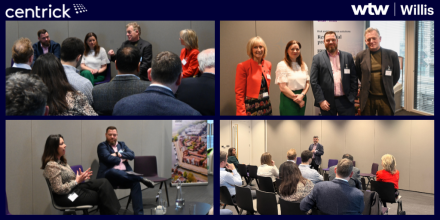
Which is exactly why we’re bringing the conversation to Birmingham in our roundtable on 19 March 2026…